

Have you ever had the job that looked perfect on paper, but something inside you knew it was not right?
Maybe you loved the work. Maybe you respected the company. Maybe you had a wonderful team. And still, there was a voice somewhere inside you saying: this is not where I belong anymore.
That is the kind of honest and deeply human conversation I had with my dear friend Jen Feri. Jen is an HR executive with more than 25 years of experience in tech and people leadership. She has led through complexity, supported businesses through acquisitions and change, and spent her career thinking about people, culture, and what organizations need in order to thrive. But this conversation was not simply about HR. It was about something much more personal and much more universal.
It was about recognizing when a role, culture, or pace of life no longer fits who you are becoming.
Many of the leaders I coach are incredibly capable. They are responsible, committed, high-performing people. They care about their teams. They want to do good work. They often stay longer than they should because they are loyal, because the work matters, because people need them, or because the role was supposed to be the dream.
But a dream job on paper can still become misaligned in practice. And when that happens, the cost is not only professional. It can affect the mind, body, and soul.
The Moment that Created Clarity
Jen shared that the catalyst for her clarity came during one of the most painful experiences of her life: losing her father.
She had been exceptionally close to him. When he entered hospice, she spent time with him day after day, holding his hand, talking when there were words, and sitting quietly when there were not. In that stillness, Jen began asking deeper questions. How do I honor him?
And then came the insight: I honor him by honoring me.
It is easy to think of honoring someone we love as something external. We might honor them through memory, ritual, family, service, or the way we carry their stories forward. But Jen’s insight went deeper. To honor her father, she had to stop abandoning herself. She had to look honestly at the life she was living, the work she was doing, and the toll it was taking.
That kind of clarity often arrives in moments when life gets very quiet or very painful. Something strips away the noise. The inbox becomes less important. The meeting that felt urgent suddenly looks different. We remember what is real.
Of course, we do not need to wait for a crisis to ask these questions. But sometimes crisis reveals the questions we have been avoiding.
When the “Dream Job” Stops Feeling Like a Fit
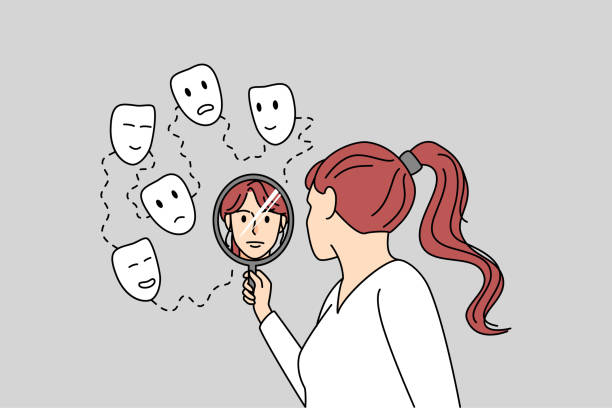
At the time, Jen was in a role that should have been her dream job. She was leading meaningful HR work in a fast-moving company. She had a talented team. She had been part of major business wins, including multiple acquisitions in a short period of time. On paper, it checked so many of the boxes that ambitious leaders are taught to want: scope, complexity, challenge, impact, visibility, and responsibility.
And yet, she could not escape the feeling that she did not fit.
I appreciated Jen’s honesty here because this is where many people get stuck. They think, “I should be grateful.” They think, “This is exactly what I worked for.” They think, “Other people would love to have this job, so why does it feel so wrong for me?”
Jen described the experience as pushing boulders uphill every day, only to have them roll back over her. That image captures something so many leaders know in their bodies. It is not that the work is hard. Many of us like hard work. We like challenge. We like solving problems and building things that matter.
For Jen, the role had become the second kind of hard. She was working long hours, weekends, and through days that were supposedly designed for rest. She was exhausted. She was trying to make something work in an environment where she could not lead in the way she knew she was capable of leading.
Sometimes misalignment is not about capability. It is not that you cannot do the job. It is that the environment does not allow you to do the job in a way that honors your values, your strengths, or your humanity.
Culture Fit, Belonging, and the Cost of Staying Too Long
We often underestimate the importance of culture fit and belonging.
A role can be impressive. A company can be respected. A team can be wonderful. And still, the larger culture may not be the right place for you. That does not always mean the organization is bad or that the people are bad. It may simply mean that the way work happens there is not aligned with how you do your best work or who you want to become. But when we ignore that misalignment, the body often knows.
We become tired in a way that sleep does not fully fix. We become reactive, resentful, or numb. We lose access to creativity. We stop doing the things that restore us. We work through weekends and call it commitment. We override our own needs for so long that we begin to forget what a healthier pace even feels like.
I often meet with HR leaders or executives who say they are interested in leadership development but less interested in well-being. My response is always some version of: you cannot have one without the other and expect people to perform at their full capacity over time.
Burned-out leaders do not bring their most innovative thinking. Exhausted leaders do not adapt to change as well. People who are running on empty may continue producing for a while, but they are not bringing the best version of themselves to the work.
A car runs out of gas. Humans eventually pay the price in their health, relationships, energy, and sense of self.
The Power of Naming Your Non-Negotiables
One of the practical pieces I hope listeners take from this conversation is the importance of naming your non-negotiables before life gets chaotic.
When I began my master’s program in positive psychology, I asked my cohort to identify our non-negotiables at the very beginning. What would we always say yes to? What would we always say no to? What mattered so much that we did not want to lose sight of it when the program became intense? For me, family was at the top of that list.
That exercise became meaningful almost immediately when I had to respond to a family health situation. Because I had already named my non-negotiable, I did not have to make the decision from a place of panic or guilt. I already knew what mattered most.
This is something I encourage leaders to do. Take the time to ask:
- What are my non-negotiables?
- What will I not sacrifice, even when work gets busy, important, or demanding?
- What do I definitely say yes to?
- What do I definitely say no to?
When we have not named our non-negotiables, everything can feel negotiable in the moment. A meeting can seem more urgent than a family milestone. A deadline can seem more important than sleep. A role can seem more important than health. We can keep making exceptions until the exceptions become the life we are living.
Naming your non-negotiables is not about becoming rigid. It is about giving yourself a compass.

Space to Find Alignment Is Not a Luxury
After leaving the misaligned role, Jen described entering a new environment and being surprised by something very simple: space on her calendar. At first, she felt bored. Then she realized she was tired. Then she began to remember what a more normal, humane pace felt like.
When we have been overworking for a long time, rest can feel strange. Space can feel unproductive. We may confuse recovery with laziness because our system has become so accustomed to urgency.
But space to think is how leaders do their best work.
Jen talked about having room to think, to use her whiteboard, to see the end goal, and to work backward toward it. She also talked about reclaiming the parts of herself that had been crowded out by work: woodworking, photography, pottery, pickleball, hiking, fresh air, movement. Those things are part of what replenishes a leader’s capacity to lead.
When we give people space to recover, reflect, and think strategically, organizations do not get less from them. They often get more of what actually matters: clearer thinking, more creativity, better decisions, and more sustainable energy.
Actionable Practices for Anyone Questioning Their Fit
What I hope listeners take from this conversation is not a dramatic message that everyone should quit their job tomorrow. Real life is more complicated than that. People have bills, families, responsibilities, and different levels of risk tolerance.
But if you are listening and thinking, “This is me,” I hope you take that seriously. The point is to act intentionally:
- Start by being honest about whether the situation is working. If your mind, body, and spirit are telling you something is wrong, do not immediately talk yourself out of that truth. Listen long enough to understand what the signal may be trying to tell you.
- Then name your non-negotiables. Write them down. Consider what you are no longer willing to sacrifice and what matters most in this season of your life.
- Create stillness. Give yourself time to think beyond the urgency of the day. Ask who you are becoming by staying where you are, and whether that is aligned with who you want to be.
- From there, make a plan that fits your life. That may mean updating your résumé, reaching out to your network, building a financial runway, getting additional training, exploring internal opportunities, or having a clear conversation with your manager. It may mean leaving the organization. It may also mean finding a different role, team, or microculture within the organization you already love.
Honoring Yourself Is Not Selfish
Near the end of our conversation, I asked Jen what becomes possible when someone chooses to leave where they are and open the door to something more aligned.
Her answer was simple and deeply felt: happiness, fulfillment, feeling valued, doing incredible work, and honor. Jen wanted to honor her father. In the stillness of losing him, she realized that part of honoring him meant honoring herself.
Honoring yourself is not selfish. It is not irresponsible. It is not a rejection of ambition or commitment. It is the foundation for a more sustainable way of living and leading.
When you honor yourself, you are more able to bring your full presence to your work. You are more able to make clear decisions. You are more able to be creative, generous, connected, and brave. You are more able to build a life that reflects what you say matters most. And sometimes, honoring yourself requires the courage to leave something that once looked perfect on paper.
Choosing Alignment
For me, the center of this conversation is alignment. Of course, work matters. Careers matter. Leadership matters. But none of those should require us to disappear from our own lives.
Jen’s story is raw, vulnerable, and ultimately hopeful. It is a reminder that we can pause. We can listen. We can make different choices. We can leave what no longer fits and move toward something that allows us to breathe again.
If you are in a role that looks right to everyone else but feels wrong inside of you, I hope this conversation gives you permission to get quiet enough to hear yourself. And remember that a thriving career should not cost you your whole self. That is what Jen Feri reminded me.
And that is what becomes possible when we finally decide to honor ourselves more than our job title.