

Where does DEI live in your organization when the workshop is over?
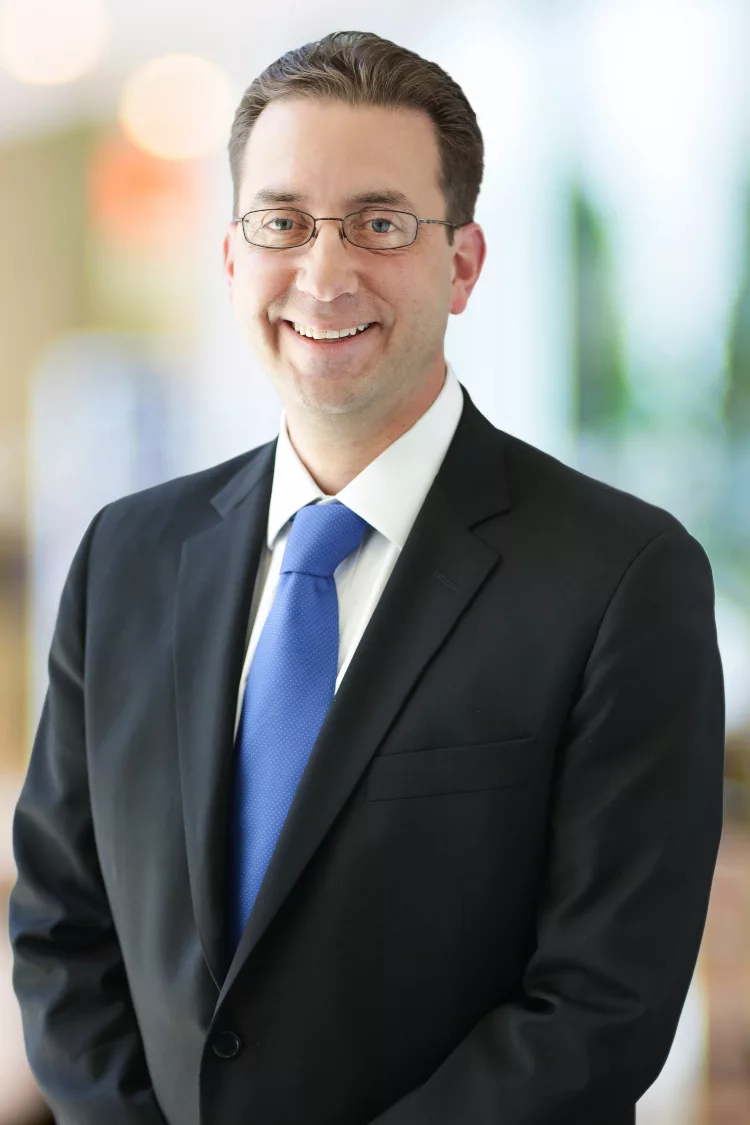
That question stayed with me throughout my conversation with Jonathan Stutz, co-author with Eddie Pate of Daily Practices of Inclusive Leaders. Jonathan has spent years doing diversity, equity, inclusion, and leadership work with organizations like Microsoft and Amazon, and now helps leaders and organizations build more inclusive, high-performing teams.
This conversation felt especially timely because so many organizations are still wrestling with what diversity, equity, inclusion, and belonging really mean in practice. Some are continuing to do the work, but calling it something different. Some are treating it as a program that can be rolled out and checked off. Some are backing away from the language altogether. And many leaders are trying to understand how to create cultures where people feel valued and supported, while also navigating pressure, polarization, and uncertainty.
What I appreciated so much about Jonathan’s perspective is that he does not separate inclusion from leadership. He is not talking about DEI as a one-hour training, a one-time workshop, or a performative statement. He is talking about the everyday behaviors that shape whether people feel like they belong.
That is also why this conversation connects so deeply to the work we do at SVChange. We have made a very clear choice not to offer check-the-box diversity programming. We are not interested in programs that make an organization feel like it has “done something” without actually changing the fabric of the culture. The deeper work is leadership work, coaching work, and systems work. It is the daily practice of building trust, interrupting bias, listening differently, and creating conditions where people can thrive.
Jonathan’s message was simple: inclusive leadership is leadership.
Inclusion Is Not a Program
One of the strongest themes in our conversation was the difference between treating inclusion as a program and weaving it into the culture of an organization. Jonathan said the ideal program is not really a program at all. It is something that becomes part of how an organization operates. It shows up in recruiting, hiring, developing, retaining, promoting, listening, measuring, and making decisions. It shows up in who is in the room, whose voices are heard, whose ideas are credited, and whether people from historically underestimated groups are truly supported in achieving their goals.
Programs can be useful, but they are not enough. A workshop can create awareness. A training can introduce language or frameworks. But culture changes when leaders practice new behaviors consistently. Culture changes when managers use their one-on-one meetings differently. Culture changes when interview panels reflect different lived experiences. Culture changes when leaders look at data and ask what it reveals about opportunity, promotion, retention, and equity. Inclusion becomes real when it moves from intention to practice.
That is why I loved the title of Jonathan and Eddie’s book: Daily Practices of Inclusive Leaders. The word “daily” is doing a lot of important work. It reminds us that inclusive leadership is not a declaration. It is not an annual initiative. It is something we practice, repeat, repair, and strengthen over time.

Belonging Begins with Trust
Jonathan began the conversation in a very human place. When I asked him how he was really doing, he spoke honestly about how challenging this moment feels for many people. He talked about the importance of connection, support, and the simple but powerful act of asking someone how they really are, and then listening.
Belonging is built through moments like that. It is built when people feel that someone is willing to slow down, pay attention, and understand something about their lived experience. It is built when leaders create space for people to bring more of their humanity into the room.
Jonathan connected this to the idea that many employees want to feel valued, supported, and connected. They want to know that they can achieve their own goals and aspirations while also contributing to the goals of the organization. When that happens, people are more likely to feel a sense of belonging. They are more likely to trust the team. They are more likely to contribute their creativity, energy, and full perspective.
Teams do better when people feel safe enough to speak, contribute, challenge, and create. Organizations are more effective when talent is not lost because people feel unseen or unsupported. Innovation is stronger when different perspectives are not only present, but actually welcomed and used. Belonging begins with trust, and trust begins with how leaders show up every day.
The Employee Experience Is the Practice Field
One of the things I found especially useful in Jonathan’s work is that he and Eddie organize many of their daily practices around the employee lifecycle. Inclusion does not begin after someone is hired. It begins in how an organization attracts talent, how it builds relationships with communities, how it communicates opportunity, and how people experience the hiring process. Jonathan gave the example of diverse interview panels, which serve more than one purpose. They bring different perspectives into the evaluation process, and they also help candidates see something important about the organization: people like me are here, and people like me are part of the decision-making process.
Jonathan also talked about recruiting as a relationship-building process, especially with communities that have not historically been centered or trusted by organizations. It is not enough to show up only when you need to fill a role. Trust is built over time through presence, listening, partnership, and investment.
The same is true once people are inside the organization. Jonathan talked about the one-on-one meeting as a place where inclusion can be practiced. Too often, those meetings become status updates. But at their best, one-on-ones are opportunities for connection. They are a place where managers can understand what is happening in someone’s life, what support they need, what they are working toward, and how they are experiencing the team. That requires a leader to be human too.
Jonathan spoke about vulnerability as part of this. When managers are willing to share enough of their own humanity, it can make it safer for employees to share what is really going on for them. That does not mean leaders have to overshare or blur boundaries. It means they create an environment where people do not have to pretend they are machines. For me, that is a core part of inclusive leadership. It asks us to see the whole person, not just the role.
Data Helps Leaders See What Good Intentions Can Miss
Another important part of our conversation was the role of data. This is so important because many leaders believe they are fair. They believe they are inclusive. They believe they value people equally. And they may genuinely intend to do those things. But good intentions do not always produce equitable outcomes. Data can help leaders see what they may otherwise miss.
Jonathan talked about looking at the pipeline of candidates, hiring data, promotion data, retention data, and how those patterns show up across race, gender, ability, veteran status, and other identities where information can be responsibly collected and reviewed. He also emphasized the importance of looking at intersectionality, because the experience of women overall may not reveal the specific experience of Black women, for example, or other groups whose experience gets hidden inside broader categories. This is where inclusive leadership becomes very concrete.
Data does not replace empathy, but it can deepen accountability. It can show where patterns exist. It can help leaders move beyond assumptions and into action. It can also create a shared picture of where the organization is and where it needs to improve.
Jonathan shared that one of the most important early hires in a diversity and inclusion effort he was part of was a data analyst. I loved that because it challenges the idea that inclusion work is only about training or conversation. It is also about measurement, systems, and accountability. If we want to change culture, we have to be willing to look honestly at what the culture is producing.

Allyship Requires Practice
Jonathan also talked about allyship and accomplice work as something people have to practice over time. Many people want to be allies. They want to support colleagues who do not feel connected or who experience bias, exclusion, interruption, or dismissal. But wanting to be supportive is not the same as knowing how to act when the moment arrives.
Jonathan was very clear that people will make mistakes as they learn. They will not always say the perfect thing. They may misread a situation, hesitate too long, or worry about making it worse. But that means we have to build the muscle.
One of the most practical tools Jonathan offered was the idea of “hitting the pause button.” When something happens in a room that feels off, when someone is interrupted, when an idea is taken without credit, when a comment lands in a way that feels harmful, when the energy shifts… someone can slow the room down. They can say, in effect, let’s pause for a moment. Let’s reflect on what just happened. Let’s make sure this conversation stays aligned with who we say we want to be.
Sometimes that may mean calling someone in, with care and curiosity. Sometimes it may mean calling something out more directly because it is harmful or inconsistent with the values of the organization. Either way, the pause matters. It interrupts the pattern. It communicates that dignity matters here. It communicates that trust matters here. It communicates that we are not going to rush past moments that cause people to shut down. And in many organizations, we need more pause buttons.
Actionable Practices for Inclusive Leaders
What I hope leaders take from this conversation is that inclusive leadership is not abstract. It is built through specific, repeatable practices that shape how people experience the organization. A few places to begin:
- Look at the employee lifecycle. Where are people welcomed, developed, supported, promoted, and retained? Where might exclusion or inequity be showing up, even unintentionally?
- Use your one-on-one meetings to build real connection. Do not waste every conversation on status updates. Ask how people are doing. Ask what they need. Ask what they are working toward. Listen for what is not being said.
- Examine your data. Look at hiring, promotion, retention, and development patterns. Ask whether opportunity is being distributed equitably and where bias may be operating inside systems that look neutral on the surface.
- Build relationships before you need them. If you want to recruit from historically underestimated communities, show up with consistency, humility, and a genuine desire to understand. Trust is not built through a transactional hiring push.
- Practice hitting the pause button. When something happens that interrupts trust or inclusion, slow the room down. Name what you noticed. Invite reflection. Protect the conditions that allow people to contribute.
These practices do not require leaders to throw out the entire system overnight, but they do require intention. They require consistency. And they require the courage to notice what is happening and respond.
The Danger of a Single Story
Jonathan also brought up Chimamanda Ngozi Adichie’s powerful TED Talk, “The Danger of a Single Story,” which he and Eddie reference in their book. Single stories shape how we see people. They create assumptions, stereotypes, and biases that can be reinforced through media, culture, politics, and organizational habits. When we hear the same narrow story over and over again about a group of people, it becomes easier to stop seeing individuals in their full humanity.
Inclusive leadership asks us to resist that. It asks us to stay curious. It asks us to seek more than one story. It asks us to listen to lived experience and notice how power shapes whose stories are amplified and whose are ignored.
In organizations, this matters enormously. Leaders make decisions all the time about talent, potential, fit, readiness, performance, and leadership capacity. If those decisions are influenced by narrow stories or unconscious assumptions, people lose opportunity. Teams lose talent. Organizations lose creativity and trust. The antidote speaks to listening, learning, checking assumptions, using data, building relationships, and creating spaces where more stories can be heard.
Building Legacy Teams
Near the end of our conversation, I asked Jonathan what becomes possible when someone becomes an inclusive leader. He talked about teams where people feel so connected, supported, and valued that they are excited to come to work. Teams where people feel they have each other’s backs. Teams where creativity and innovation can really happen because people are not wasting energy protecting themselves or wondering whether they belong. He called them legacy teams.
Most of us have been on teams we remember for the wrong reasons. Teams where trust was low, communication was strained, people competed for credit, or only certain voices mattered. But many of us have also had the experience of being on a team that felt special. A team where people cared about one another. A team where the work was hard, but the connection was real. A team that stayed with us years later. That kind of team does not happen by accident.
It is created by leaders who understand that performance and belonging are connected. It is created by leaders who care about equity, fairness, trust, and human dignity. It is created through the daily practices that tell people: you are valued here, you are supported here, and your contribution matters. That is inclusive leadership.
Making Inclusion Part of How We Work
For me, the core of this conversation is that inclusion cannot remain separate from the real work of leadership. This is not about being a hero. Jonathan was clear about that. It is not about saving the world or performing goodness. It is about doing the right thing because we believe in equity, fairness, and the possibility of workplaces where more people can thrive.
Because when people feel connected, supported, and valued, they are more able to bring their creativity, their wisdom, their courage, and their energy to the work. They are more able to trust. They are more able to contribute. They are more able to help build something that lasts.
Inclusive leadership is a way of working, listening, and building trust. It’s a way of shaping culture one daily practice at a time. And when we do that well, we create the kind of teams people never forget.