

Are you someone who strives for success 100% of the time?
Do you go for the opportunities you know you can nail? Or do you also step into the ones where you might fall short?
Most of us would probably like to think we are open to risk, learning, and growth. But when it comes down to it, many high-achieving professionals spend a lot of energy trying not to fail. We want to look competent. We want to make the right decision. We want to be seen as prepared, capable, and in control.
And yet, as human beings and as leaders, it is almost impossible to grow without stumbling.
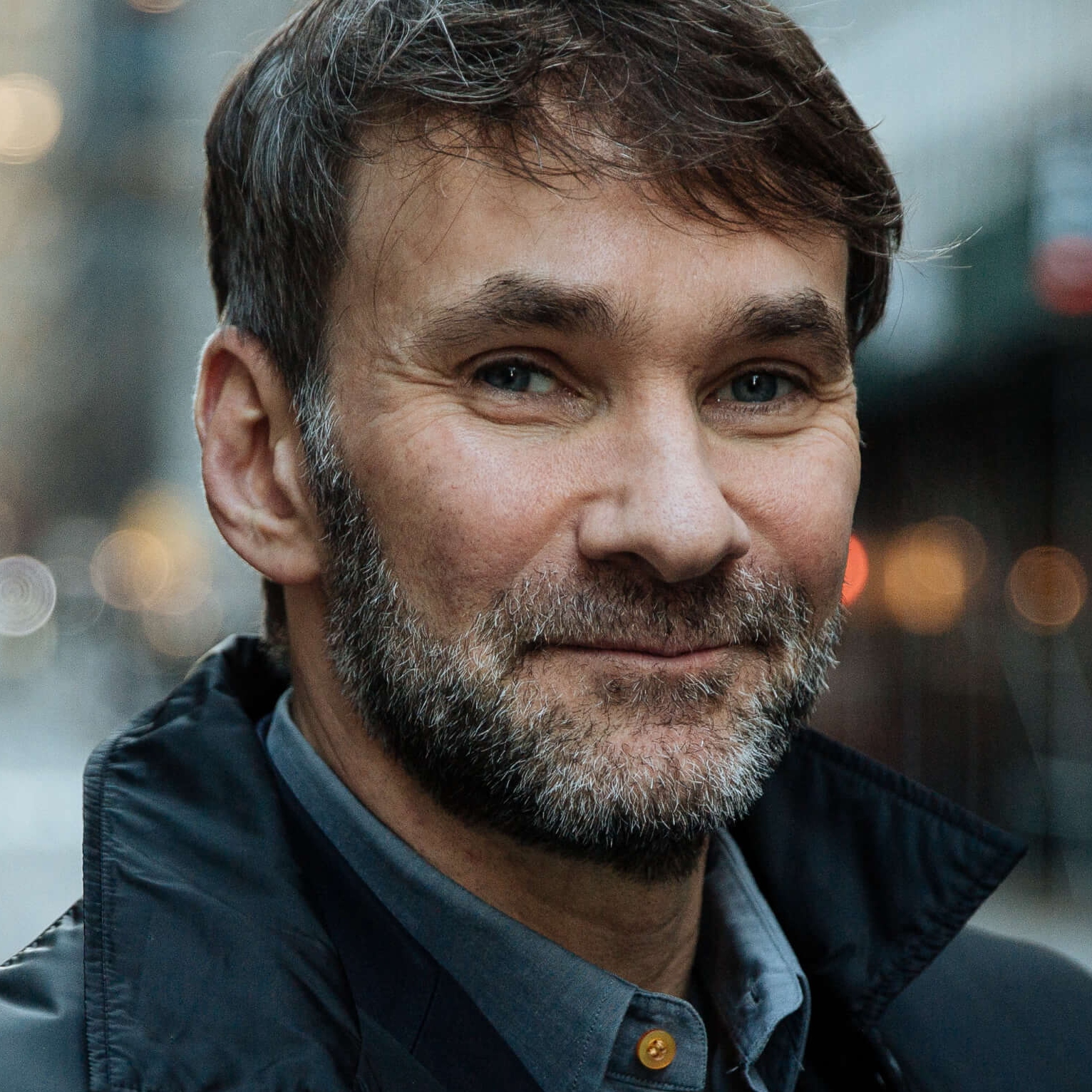
That is why I was so glad to sit down with Stephen Scharf, Managing Director and Chief Information Security Officer of a multinational investment company. Stephen has more than 25 years of experience in cybersecurity, and his career has included high-stakes decisions, crisis moments, and leadership challenges where the answers were not always obvious.
What I appreciated most about Stephen’s perspective is that he did not talk about failure in a vague or inspirational way. He talked about it honestly. He shared the mistakes, decisions, and moments of learning that shaped his path to the C-suite. He also made a point that I think every leader and aspiring leader needs to hear: if you have never failed, you may not be stretching far enough.
That is a powerful reframe.
Failure is not something to glorify, but it is also not something to avoid at all costs. Often, the gold is in what we do after we stumble: how we reflect, how we repair, how we learn, and how we keep moving forward.
Failure is Not the Opposite of Success
One of the themes that ran through this conversation is that failure and success are not opposites. In many cases, failure is part of the path to success.
Stephen shared that early in his career, he made mistakes that taught him lessons he still carries. Those experiences shaped not only what he knows, but how he leads. They gave him more empathy for younger team members who are still learning. They helped him understand the pressure people feel when they are trying to prove themselves. And they reminded him that leaders are not built by avoiding every misstep.
This is something I see often in coaching. Leaders sometimes believe that the goal is to become so polished, prepared, and experienced that they stop making mistakes. But real leadership does not work that way. The stakes may change, the decisions may become more complex, and the rooms may become more senior, but the learning never stops.
In fact, the more responsibility a leader carries, the more important it becomes to develop a healthy relationship with failure. Not because failure feels good. It usually does not. But because avoiding failure can lead to its own risks: indecision, perfectionism, defensiveness, over-control, and missed opportunities.
If we only choose the opportunities we know we can nail, we may protect our image, but we also limit our growth.

Managerial Courage Means Having a Point of View
Managerial courage is not about bravado. It is not about pretending to know everything. It is the willingness to have a point of view, make a decision, and own the outcome, even when the situation is complicated and even when you might be wrong.
Stephen shared stories from high-pressure situations where decisions had to be made quickly and clearly. In cybersecurity, the consequences of hesitation can be significant. But while his examples came from the world of information security, the leadership lesson applies everywhere.
Leaders are constantly being asked to make decisions with incomplete information. They have to assess risk, communicate clearly, and move forward without the comfort of perfect certainty. That is true in crisis moments, but it is also true in everyday leadership: hiring decisions, strategic choices, client conversations, organizational changes, and difficult feedback.
What I found so valuable in Stephen’s framing is that courage is connected to ownership. It is not simply making a bold call. It is being willing to stand behind the call, learn from the outcome, and adjust when necessary.
The Role of Communication in Leadership Trust
Another theme that stood out in this conversation was communication.
Stephen was very clear that leaders need to adapt their communication style to the audience and the situation. That may sound simple, but it requires real self-awareness. The way a message lands with one person, team, or culture may be very different from how it lands with another.
He shared a story about a misunderstanding with a team member in Brazil that came from a sarcastic message signature. What may have felt casual or humorous in one context did not translate the same way in another. It was a reminder that communication is not only about what we intend. It is also about what others receive.
This is such an important leadership lesson.
As leaders, we are always being watched. Our tone, energy, word choice, pacing, and body language all communicate something. People notice when we are calm, impatient, dismissive, curious, defensive, or open. They notice what we say, and they also notice how we say it.
The higher a leader rises, the more amplified this becomes. A quick comment can carry more weight than intended. A moment of visible stress can ripple through a team. A lack of clarity can create confusion or anxiety. And a communication style that worked in one environment may not work in another.
Adapting our communication does not mean becoming inauthentic. It means becoming more skillful. It means caring enough about the relationship and the outcome to ask, “What does this person or group need in order to understand, trust, and move forward?”
Stress, Well-Being, and What We Can Control
Stephen also spoke candidly about stress and well-being, including his experience with Crohn’s disease and the way stress can show up physically.
I appreciated his honesty because leadership conversations often focus on performance without acknowledging the body. But stress does not stay theoretical. It lives in us. It affects our health, our reactions, our decision-making, and our ability to stay grounded under pressure.
Stephen talked about learning to focus on what he can control. That is such a simple idea, and also such a difficult practice when the stakes feel high. Leaders often carry responsibility for outcomes they cannot fully control: market conditions, organizational decisions, client reactions, team dynamics, economic shifts, technology risks, and human behavior.
If we try to control all of it, the cost can be enormous.
Part of mature leadership is learning where our agency actually is. We can control our preparation. We can control how clearly we communicate. We can control whether we build relationships before we need them. We can control whether we invest in our skills. We can control how we respond when something goes wrong.
That focus does not eliminate stress, but it can reduce the feeling of helplessness. It can help leaders conserve energy for the places where their actions truly matter.

Passion, Energy, and Sustainable Success
One of the parts of the conversation that felt especially relevant for younger professionals and recent graduates was Stephen’s advice about passion versus money.
He encouraged people to follow the work that energizes them, because when we care deeply about what we do, we are more likely to bring energy, curiosity, and commitment to it. Success and financial reward can follow from that kind of engagement, especially when we are good at the work and keep developing our skills.
I connected this immediately to well-being.
When we follow only the money and spend our days doing work we hate, something happens inside the body. Stress accumulates. Energy drains. Motivation becomes harder to sustain. Over time, that can affect not only our happiness, but our health and effectiveness.
That does not mean money is unimportant. It means money is not the only measure of a wise career decision. The work we choose shapes our daily experience, our identity, our relationships, and our sense of possibility.
Stephen also talked about energy and intellect as qualities he looks for in hiring. I loved that because energy is contagious. So is curiosity. So is passion. People who are deeply engaged in their work can lift the people around them.
A thriving career is not built only by chasing the next title. It is built by paying attention to what gives us energy, where we are willing to keep learning, and what kind of contribution we want to make.
Opportunity Favors Preparation and Relationships
Stephen made another point that feels essential for career growth: opportunity often arrives before we feel ready, but preparation helps us meet it.
He talked about investing in skill development, building corporate relationships, and having advocates who can speak on your behalf when opportunities arise. That is practical and important advice.
Careers are not built in isolation. Yes, skill matters. Performance matters. But relationships also matter. People need to know what you can do, how you think, how you handle pressure, and whether they can trust you when the stakes are high.
Advocates are not created overnight. They are built through consistency, credibility, generosity, and follow-through. They are built in the everyday moments when we show people how we work and what we value.
Stephen also shared a story about a critical response to a global disaster that helped define his career. Moments like that cannot always be predicted. But leaders can prepare by continuing to build their skills, staying ready to step in, and cultivating the relationships that allow others to see their capability.
That is such a helpful reminder. We cannot control when the next opportunity will appear. But we can keep becoming the kind of person who is ready when it does.
Actionable Lessons for Leaders and Organizations
What I hope listeners take from this conversation is that leadership growth requires both courage and humility. We need the courage to step into opportunities where failure is possible, and the humility to learn when things do not go the way we hoped.
A few practical lessons stand out.
- First, stop treating failure as evidence that you do not belong. A mistake may be painful, but it can also be information. Ask what the experience is teaching you about preparation, communication, decision-making, or judgment.
- Second, practice having a point of view. Leadership often requires decisions before all the information is available. You can be thoughtful and still be decisive. You can be open to feedback and still take ownership.
- Third, pay attention to how your communication lands. Your intention is only part of the equation. Consider the audience, the culture, the context, and the emotional tone of the moment. Strong leaders are willing to adjust their style in service of clarity and trust.
- Fourth, invest in your skills before you need them. Keep learning. Stay prepared. Build the capabilities that will allow you to step into unexpected opportunities with more confidence.
- Finally, build relationships and advocates. Do good work, but do not assume good work alone will speak for itself. Let people know who you are, what you care about, and how you contribute.
Playing On the Edge
For me, the heart of this conversation is about playing on the edge. That does not mean being careless. It means being willing to stretch. It means choosing opportunities that may challenge you. It means understanding that falling down periodically is part of growth, and that getting back up is part of leadership.
Stephen’s story is such a useful reminder that success is rarely clean or linear. It is built through mistakes, decisions, relationships, preparation, courage, and the willingness to keep learning.
If you are early in your career, I hope this conversation gives you permission to try things before you feel completely ready. If you are already leading, I hope it reminds you that your mistakes do not disqualify you from leadership. They may be part of what makes you wiser, more empathetic, and more effective.
And if you are someone who has been trying to avoid failure at all costs, maybe this episode will help you think differently.
Because the goal is not to never fall. The goal is to learn how to fall, get back up, and keep moving toward your potential.
And that is what becomes possible when we stop fearing failure and start playing on the edge.