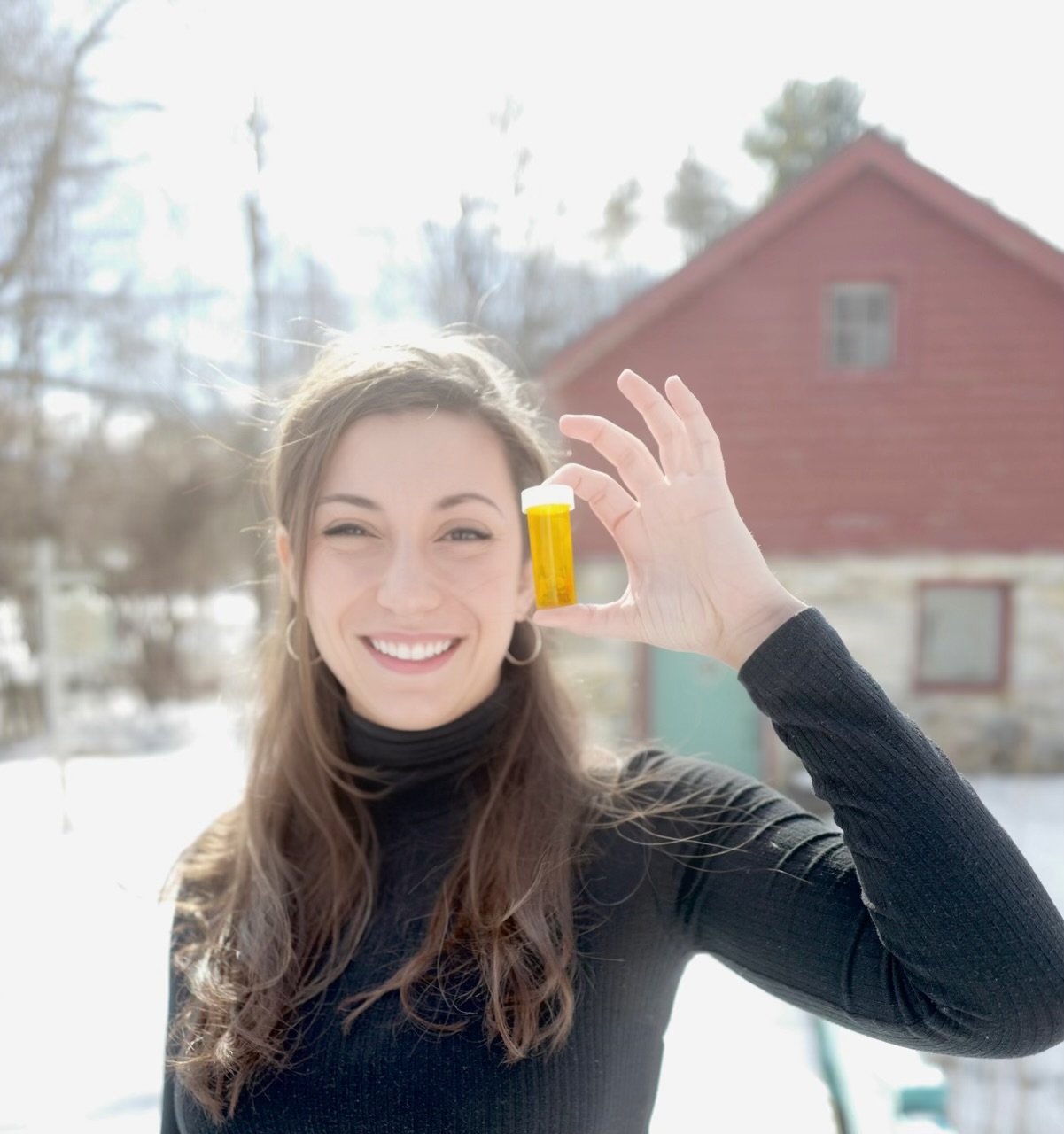


I’ve always believed in the power of small shifts to unlock big change: a new question, a different kind of pause, a single brave decision. But every now and then, I encounter someone whose work reframes not just how we lead, but how we live. Julia Hotz is one of those people.
Julia is a solutions-focused journalist, a TEDx speaker, and the author of The Connection Cure, a new book exploring how movement, nature, art, service, and belonging can drastically improve our health. She’s worked with Walk with a Doc, Social Prescribing USA, and the Solutions Journalism Network, and has spent years studying how non-medical interventions, what she calls “social prescriptions”, are transforming health outcomes across the globe.
We recently sat down on the What’s Possible podcast to talk about how this approach is changing the future of wellness, not just in hospitals or health clinics, but in workplaces, communities, and our everyday lives. And spoiler alert: this conversation felt like a balm for the burnout, disconnection, and overwhelm so many of us are carrying.
From “What’s the Matter?” to “What Matters to You?”
Most of us grew up with a version of healthcare that centers one question: What’s wrong? Julia invites us to start with a different one: What matters to you?
This simple shift is at the heart of social prescribing, a practice where health workers (or in some cases, leaders, coaches, and even friends) refer people to non-medical activities and resources in the community. Think art classes, community gardening, volunteering, cycling groups, even fishing lessons.
At first, it may sound like a nice-to-have. But the research says otherwise.
As Julia shared, only 20% of our long-term health outcomes are determined by what happens in clinical care. The remaining 80%? That comes from our environment, our habits, our relationships, our sense of purpose, in short, the stuff of real life. And yet, many of us are still treating stress, fatigue, and anxiety with one-size-fits-all solutions that don’t address the root of the problem: disconnection.
Disconnection from nature. From movement. From community. From ourselves. The Connection Cure is about reclaiming all of those.
Reclaiming Health on Our Terms
One of my favorite parts of our conversation was when Julia said: “The end goal of social prescribing is to move out of healthcare, for us to be able to prescribe ourselves.”
This doesn’t mean we don’t need doctors, medication, or therapy. It means that alongside those things, we begin to see ourselves as experts in our own well-being. We start to ask new questions: What lights me up? When do I feel most connected? What activities help me thrive, not just survive?
Julia’s research and stories show that these questions aren’t fluff. They’re strategic. They help us return to who we are. They help us recover parts of ourselves that have been pushed aside by stress, achievement, and adulthood. And they offer a radically simple, and evidence-backed, path to feeling better.
What This Means for Leaders
As an executive coach, I spend a lot of time with leaders who are overwhelmed, with their calendars, their people, their goals. And when the overwhelm sets in, connection is often the first thing to go.
But here’s the truth: the same practices that help individuals heal can help entire organizations thrive.
In our episode, Julia offered some brilliant (and low-cost!) ideas for leaders who want to create cultures of care like nature walks, creativity breaks, and volunteering. When done with intention, these aren’t just perks. They’re strategies. They’re ways of saying: We care about you as a whole person, not just a performer. And according to the data, teams who feel connected and supported are more innovative, more resilient, and more engaged.
It’s a win-win, for people and for performance.
Leading with the “Person Fit” in Mind
Julia also introduced a concept I found incredibly helpful: person fit. It’s the idea that well-being is not one-size-fits-all. What calms me might bore you. What energizes your colleague might overwhelm someone else.
The power of social prescribing is that it meets people where they are. It doesn’t tell you to take a walk if walking hurts your joints. It doesn’t prescribe painting if your joy is fixing up bikes or dancing salsa.
And that’s the job of a good leader too, to create room for people to name what actually works for them. We can do this by asking different questions: What activities help you reset? When was the last time you felt really engaged at work? What’s something small you’ve always wanted to try but haven’t had the time?
Those questions might lead to new policies (like no-meeting Fridays or creative sabbaticals), but sometimes, they just lead to new awareness. And that alone can shift culture in a powerful way.
Rewriting the Prescription for Burnout
So many of us, especially women in midlife or in caregiving roles, have been conditioned to believe that well-being is indulgent. That joy must be earned. That rest is a luxury.
Julia’s work pushes back on all of that. It says: joy is medicine. Rest is productive. Connection is essential.
And if you’re a leader, it’s not just about modeling these things for yourself. It’s about making them safe and accessible for your team. That means naming when you’re taking a break, and why, celebrating small moments of creativity and connection, and encouraging people to take PTO, to unplug, and to explore what makes them feel alive.
It also means acknowledging that burnout isn’t just about individual resilience. It’s about systems. And if the system we’re in is all output, all performance, all urgency, people will break. But if the system makes space for humanity, healing becomes possible.
Actionable Steps to Embrace Social Prescribing in Your Life and Work
If this conversation sparked something for you, here are a few ways to begin integrating the concepts of social prescribing into your day-to-day:
1. Start with a “What Matters” Inventory
Ask yourself (or your team): What matters to me right now? What activities make me feel like myself again? Make a list. Don’t judge it. Just notice what’s calling you back.
2. Experiment with Self-Prescription
Julia talks about “self-prescribing” activities that boost your mood and health. Try setting a goal to prescribe yourself one joy-based activity this week, a walk in nature, an art class, a call with a friend, or volunteering.
3. Ask Your Team Better Questions
Instead of asking “How are you?” try “What’s helping you feel like yourself lately?” or “What’s bringing you energy these days?” These small tweaks build trust and show that you see your team as whole people.
4. Integrate Micro-Moments of Connection
You don’t have to overhaul your culture overnight. Start with small rituals, a gratitude moment in meetings, a shared playlist, a team art board, that build belonging over time.
5. Explore Julia’s Work
I highly recommend Julia’s book The Connection Cure for anyone wanting to go deeper. It’s packed with stories, science, and ideas you can start applying right away
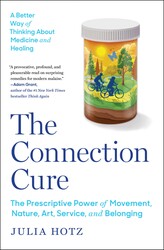
The Connection Cure
This episode reminded me of something I come back to often: we are wired for connection. It’s not optional. It’s how we’re built.
And in a world that’s pushing us to do more, faster, better, choosing to connect might just be the most radical thing we can do.
So whether you’re leading a team, supporting a loved one, or simply trying to find your footing again, I invite you to try Julia’s prescription: reconnect with what matters to you. Prescribe yourself the thing you’ve been craving. And trust that joy is not a detour, it’s the way home.
Here’s to what’s possible when we stop asking “What’s wrong?” and start asking, “What makes you come alive?”