

Have you ever wondered why certain leadership approaches that motivate one team member might completely frustrate another?
The secret might just lie in understanding why we behave the way we do—not just how we behave. That’s exactly what we’ll explore today through the powerful tool of the Enneagram. To help us dive into this insightful topic, I recently had an enlightening conversation with Ali Dunn, a leadership and Enneagram coach. Ali shared deep insights into how this ancient yet contemporary personality system can truly revolutionize your personal and professional life.
Let’s begin by getting to know Ali a bit better, then dive into the magic of the Enneagram, and finally, I’ll leave you with clear, actionable steps to integrate this powerful framework into your leadership practice.
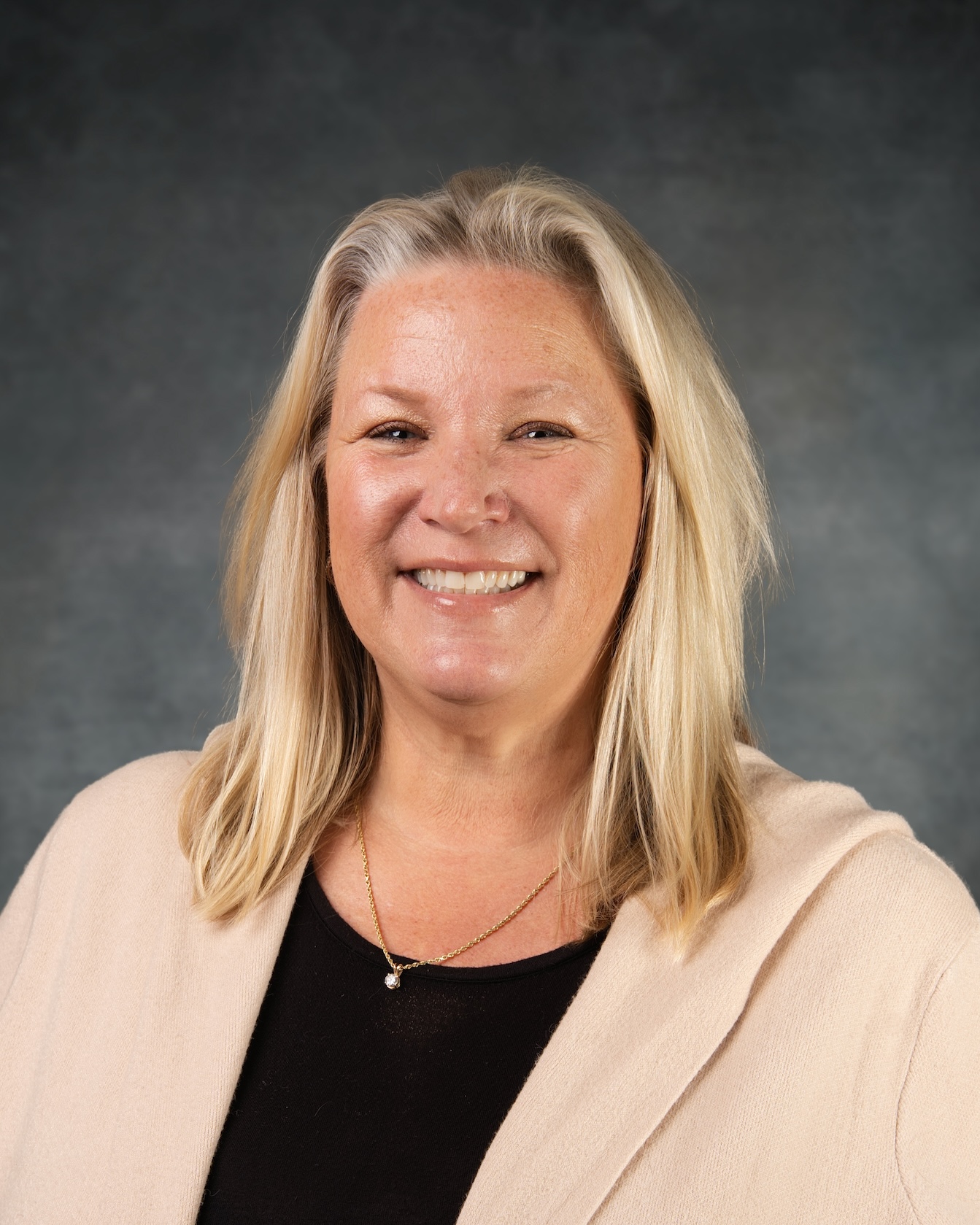
Meet Ali Dunn: Leadership & Enneagram Coach
Ali Dunn isn’t your everyday coach. With over two decades of experience spanning tech, retail, and finance, Ali understands the pressures, dynamics, and complexities of modern workplaces firsthand. She made a significant career shift from being a successful sales executive to becoming a sought-after leadership coach and Enneagram practitioner.
Ali is certified by the Berkeley Executive Coaching Institute and is an IEQ9 Enneagram practitioner. She also holds a certification in Co-Active Coaching (CPCC). But what makes Ali particularly special is the way she blends her deep understanding of the Enneagram with practical leadership strategies. This unique combination helps her clients lead with clarity, courage, and authenticity.
When Ali’s not coaching or facilitating team workshops, she’s raising two teenage daughters, playing tennis, reading voraciously, and continually seeking new adventures—embodying the traits of her own Enneagram type, a Type 7 (The Enthusiast).
With her energetic, empathetic, and highly insightful approach, Ali is redefining how we view leadership and personal growth.
What Exactly Is the Enneagram?
You’ve probably encountered numerous personality tests throughout your career: Myers-Briggs, StrengthsFinder, DISC, to name a few. While these tools can provide valuable insights into behaviors and preferences, the Enneagram goes deeper. It focuses on the underlying motivations, fears, and desires that drive our actions.
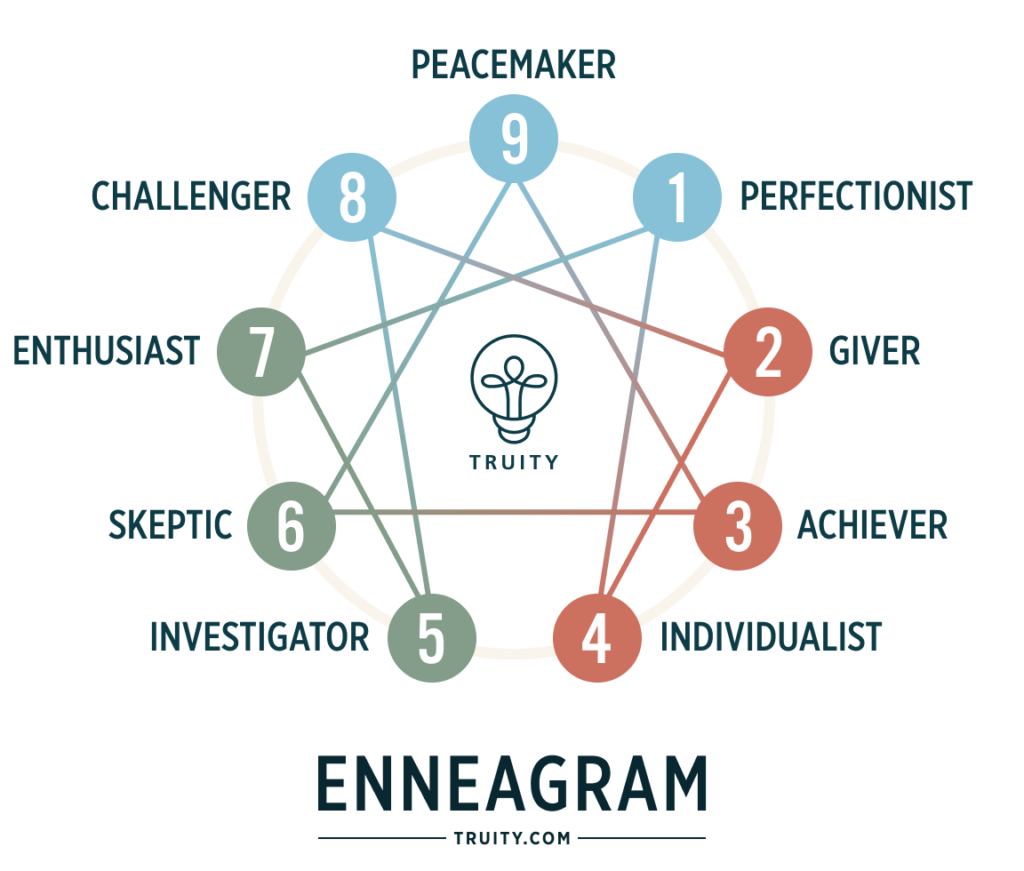
The Enneagram is an ancient system, refined and adapted for modern psychological use. It classifies personalities into nine distinct types, each characterized by a core motivation, worldview, and emotional pattern.
Here’s a quick overview of the nine Enneagram types:
- The Reformer: Principled, purposeful, self-controlled, perfectionistic.
- The Helper: Generous, demonstrative, people-pleasing, possessive.
- The Achiever: Adaptable, success-oriented, driven, image-conscious.
- The Individualist: Expressive, dramatic, self-aware, sensitive.
- The Investigator: Perceptive, innovative, secretive, isolated.
- The Loyalist: Responsible, anxious, committed, security-oriented.
- The Enthusiast: Spontaneous, versatile, distractible, fun-loving.
- The Challenger: Self-confident, decisive, willful, confrontational.
- The Peacemaker: Easygoing, receptive, agreeable, complacent.
Unlike other assessments that simply tell you what you do, the Enneagram helps you understand why you do it—unlocking self-awareness, empathy, and a pathway to deeper connection with others.
Ali’s own story beautifully illustrates how the Enneagram can guide personal and professional transformation. As a Type 7 (The Enthusiast), Ali is naturally adventurous, energetic, and driven by excitement and possibilities. However, she explained during our conversation how discovering her Enneagram type wasn’t just about labeling her personality—it was about deeply understanding what motivated her and how she could use that knowledge to foster healthier relationships and more intentional career choices.
For Ali, knowing her type helped her recognize her tendencies toward distraction or avoidance when faced with difficult emotions or tasks. Armed with this knowledge, she began implementing strategies to maintain focus, increase self-awareness, and intentionally engage more deeply with clients and colleagues.
The Enneagram also helped Ali enhance her leadership by clarifying her strengths—energy, positivity, and innovation—and addressing her growth areas, like managing discomfort with conflict or difficult emotions.
Why Leaders Need the Enneagram
In leadership, understanding your motivation—and equally, the motivations of your team—is essential. It can mean the difference between thriving, engaged teams and disengaged, frustrated individuals.
According to Ali, the Enneagram is particularly effective for leaders because it provides actionable insights into how different team members think, feel, and operate. For example, a Type 2 (Helper) thrives when they feel appreciated and connected, while a Type 5 (Investigator) needs independence and quiet space to reflect.
By understanding these differences, leaders can tailor their approaches, enhance communication, and prevent conflicts before they escalate. Ali shared several powerful examples from her work, such as a senior leader in a media agency who leveraged the Enneagram to avoid burnout and create a more sustainable leadership style.
The Enneagram also fosters psychological safety and trust—two pillars of high-performing teams—by encouraging transparency, empathy, and authenticity.
Actionable Steps: Integrating the Enneagram into Your Leadership
Ready to use the Enneagram to enhance your leadership and personal growth? Here are several practical steps, directly inspired by my conversation with Ali, to get started immediately:
Step 1: Identify Your Enneagram Type
Understanding your own type is the essential first step. You can do this by taking a credible Enneagram assessment (like the IEQ9), reading Enneagram literature, or working directly with a coach like Ali. Knowing your type helps you uncover your core motivations, triggers, and strengths, providing invaluable insight into your leadership style.
Step 2: Explore and Understand Other Types
Invest in learning about all nine types. Understanding the motivations of your team members and peers allows you to connect with them on a deeper level. Ali emphasizes the importance of “treating people how they want to be treated,” which is often very different from how you yourself might want to be treated.
Step 3: Encourage Team-Wide Enneagram Education
Consider bringing the Enneagram into your team or organization. Workshops or group assessments foster shared language and mutual understanding, enabling team members to relate more effectively, navigate conflicts constructively, and collaborate seamlessly.
Step 4: Practice Empathy and Curiosity
Use your newfound insights to foster deeper empathy and curiosity. Ask thoughtful questions about your colleagues’ perspectives and motivations. When conflicts arise, use the Enneagram to understand why someone may be responding in a particular way, helping you to approach resolution constructively rather than defensively.
Step 5: Commit to Personal and Professional Growth
Finally, leverage the Enneagram not as a one-time exercise, but as a continuous framework for growth. Regularly revisit your type’s core motivations, strengths, and blind spots. Set intentional goals for improvement, like becoming more comfortable with challenging conversations, delegating more effectively, or recognizing when you need to recharge.

Incorporating the Enneagram into Your Life
My conversation with Ali Dunn reinforced how the Enneagram, when used intentionally, can dramatically improve your leadership effectiveness, communication skills, and overall personal growth. Ali’s enthusiasm for the Enneagram is contagious, and the real-life examples she shared underline its transformative power.
As Ali beautifully stated during our chat, “The Enneagram is not just another personality test—it’s a profound tool for understanding yourself and others at a deeper level.”
So, whether you’re a seasoned leader looking to enhance your skills, or simply someone eager to understand themselves and others better, the Enneagram provides an insightful, actionable roadmap.
Give yourself the gift of self-awareness. Unlock the potential of your team. And start discovering what’s truly possible when you lead from a place of deeper understanding and empathy.
As always, I’d love to hear how your Enneagram journey unfolds. Reach out, share your insights, and let’s continue exploring what’s possible—together.