
Episode 120
I’ve read a lot of leadership books. That’s not an exaggeration, it comes with the territory of the work I do, the clients I serve, and the conversations we hold on What’s Possible. Many of them are excellent and theoretical, full of frameworks for real life. The CEO Playbook is one of those books.
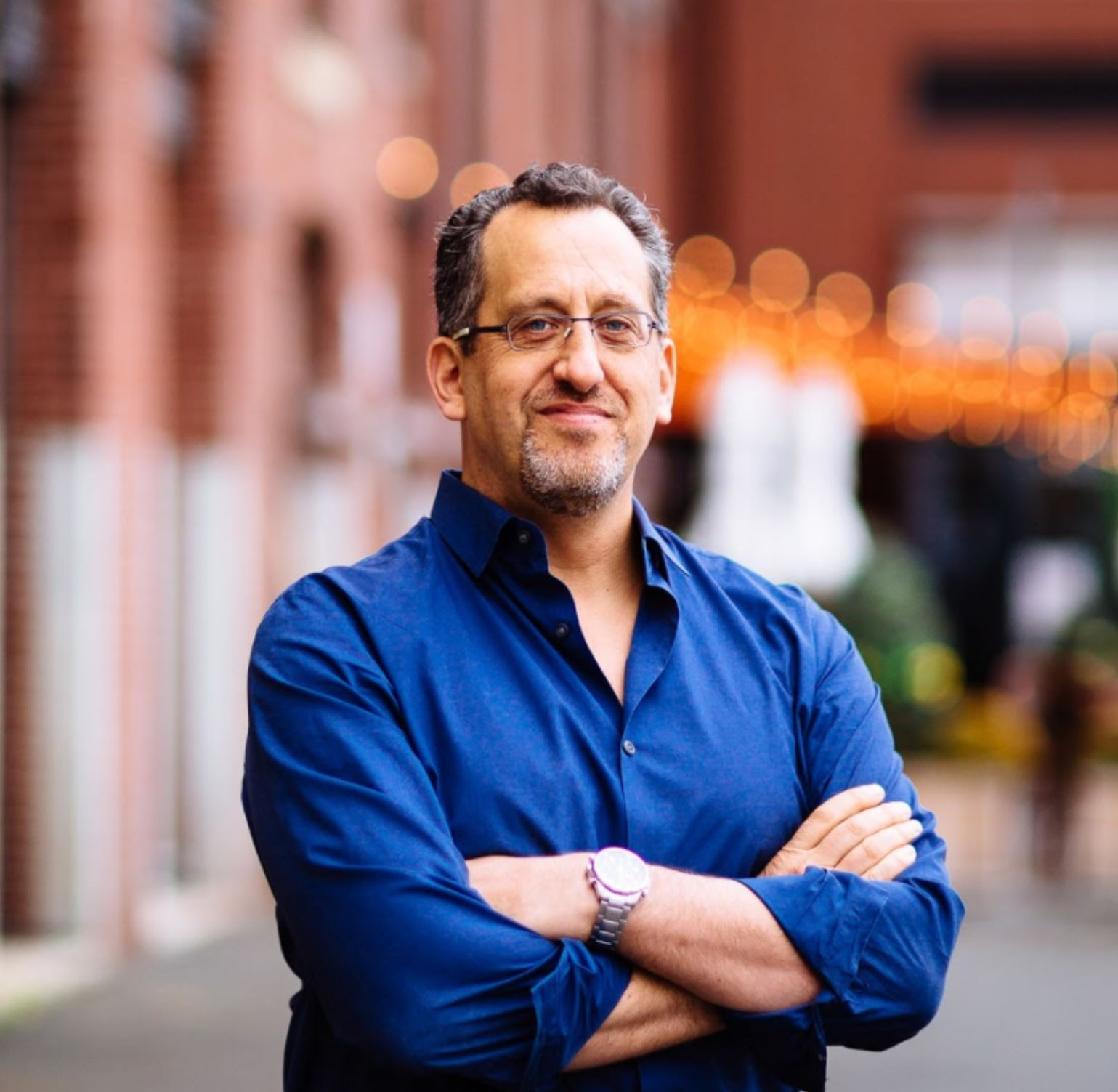
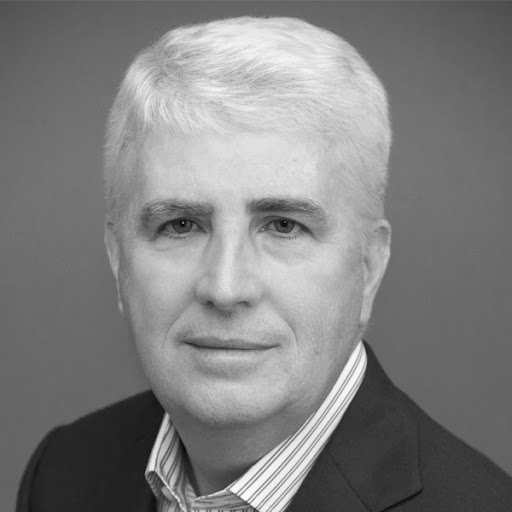
I was able to sit down with author Michael Mulhern, who has spent more than 40 years in business. He’s been an Executive Chairman. He’s led four private-equity-backed companies across multiple industries. He’s navigated pressure, growth, uncertainty, and transformation, not from the sidelines, but from inside the work.
What struck me most wasn’t just his experience. It was how grounded, sincere, and human his leadership philosophy is. Michael doesn’t talk about leadership as a performance. He talks about it as a responsibility, one rooted in integrity, emotional intelligence, and respect for the people doing the work. And that’s where this conversation landed for me: leadership isn’t about being impressive; it’s about being sincere.
Leadership in the Trenches, Not the Abstract
One of the reasons I wanted Michael on the podcast is that his stories don’t float above reality, they come straight from it. He shared his very first entrepreneurial experience: a seventh-grade donut business. Buying in bulk. Selling in small units. Understanding execution before he had the language for it. It’s a simple story, but it reveals something important: leadership starts long before titles or authority. It starts with responsibility, follow-through, and learning how your actions affect others.
That through-line runs throughout Michael’s career. Whether he was leading large teams or navigating complex private equity environments, he kept coming back to the same question: How do we create conditions where people want to do their best work?
Not because they’re afraid or micromanaged. But it’s actually because they feel valued, respected, and aligned with the mission.

Sincerity as a Leadership Practice
Michael talks about sincerity as the most important leadership characteristic, and he breaks it down into three dimensions: thought, voice, and action.
Sincerity of thought means intellectual honesty. It means being willing to face reality, even when it’s uncomfortable. Leaders who can’t be honest with themselves create confusion everywhere else.
Sincerity of voice means clear, direct communication. Not spinning. Not avoiding. Not hiding behind jargon or false optimism. Just saying what needs to be said, with respect.
And sincerity of action means follow-through and doing what you say you’re going to do. Owning decisions and being willing to reverse course when new information shows you that you were wrong.
Michael shared a story about implementing a controversial healthcare policy, and then reversing it when he realized the human cost to employees. That moment mattered. Not because it was easy, but because it built trust. It showed people that leadership wasn’t rigid or ego-driven. It was responsive and human.
In my work, I see this all the time: leaders don’t lose credibility by changing their minds, they lose credibility by refusing to.
Performance and Values Are Not Opposites
Another theme that stayed with me from this conversation was Michael’s emphasis on holding performance and values together. Too often, organizations pretend this is a tradeoff: either we drive results or we care about people. Michael and I discussed that the choice doesn’t have to come down to this.
Michael described his belief in flat organizations, not in structure, but in spirit. Where titles matter less than contribution. Where people understand that success is collective. Where winning isn’t about individual achievement, but about shared progress.
He introduced a simple but powerful idea: organizations should reward both performance and values. Not one or the other. Because high performance without values erodes trust. And values without performance eventually erode credibility. Sustainable leadership lives in the middle.
Alignment Is the Real Work
One of the most practical parts of our conversation focused on organizational alignment. Michael outlined the elements he believes every high-performing organization must get right: a clear vision, coherent strategy, supportive structure, transparent decision-making, aligned incentives, and strong HR systems.
What struck me wasn’t the list, it was the emphasis on coherence. I see many organizations with strong strategies and weak structures. Or bold visions with misaligned incentives. Or values statements that don’t show up in day-to-day decisions. That gap creates friction, frustration, and burnout.
Alignment doesn’t happen once, it’s actually ongoing leadership work. And when alignment is present, people don’t have to guess and they don’t waste energy navigating contradictions. They can focus on doing meaningful work.
Emotional Intelligence Is Not Optional
Toward the end of our conversation, we talked about stress, burnout, and the difference between IQ and EQ. Michael was clear: intelligence will get you in the door. Emotional intelligence determines whether you can stay there, and whether others will follow you.
EQ isn’t about being soft. It’s about self-awareness, self-control, empathy, and influence. It’s about understanding how your emotions impact others, and managing them responsibly. And here’s the part I love most: Michael doesn’t see EQ as fixed. He sees it as a skill that can be developed.
That’s hopeful. Because it means leadership isn’t reserved for a select few. It’s a practice anyone can grow into, if they’re willing to reflect, learn, and do the inner work.
What This Means for Leaders
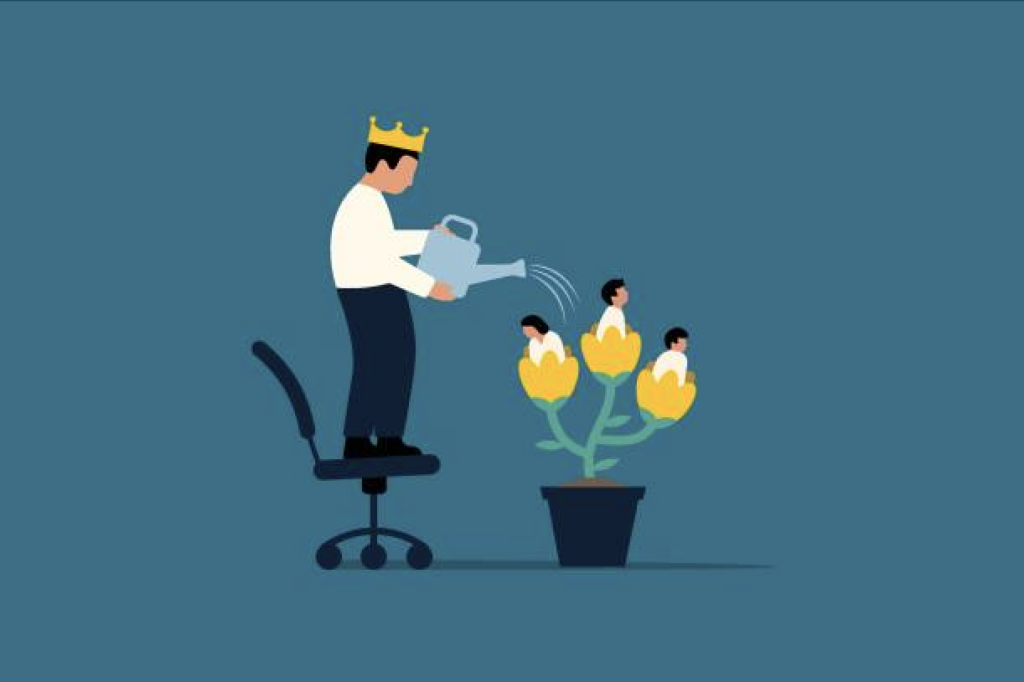
If I had to distill this conversation into what I hope leaders take away, it would be this: leadership is less about being impressive and more about being intentional. Michael’s approach reminds us that people choose, every day, whether they want to show up fully. The best leaders create environments where that choice feels easy.
Here are a few practical ways leaders can apply these ideas:
- Practice sincerity daily: Ask yourself whether your thoughts, words, and actions are aligned, especially under pressure.
- Model intellectual honesty: Name reality clearly. Invite feedback. Be willing to change course when new information emerges.
- Hold performance and values together: Reward results and how those results are achieved.
- Invest in alignment, not just strategy: Regularly examine whether vision, structure, incentives, and systems support one another.
- Develop emotional intelligence intentionally: Build self-awareness, manage stress proactively, and pay attention to the emotional climate you create.
- Create conditions where people want to stay: Respect, dignity, clarity, and shared purpose are retention strategies.
Leadership as Legacy
One of the most touching moments in this conversation was Michael sharing why he wrote The CEO Playbook. Part of it was practical, documenting lessons learned. But part of it was deeply personal: leaving something behind for his grandchildren. Leadership isn’t just about quarterly results or career milestones. It’s about the imprint we leave on people and the cultures we shape. The example we set, consciously or not.
At SVChange, we talk often about leadership as a human practice. This conversation with Michael Mulhern reinforced why that matters. Because when leaders lead with sincerity, emotional intelligence, and alignment, they don’t just build strong organizations, they build places where people can do their best work and still be themselves.
And to me, that’s what’s truly possible.