
Episode 126
Lately, I’ve been sitting with a question that keeps coming up in my work with leaders. “Why does the work that actually matters keep getting pushed to the edges of my day?”
I hear this from senior leaders, founders, HR partners, and high performers across industries. These are capable, thoughtful people who care deeply about their teams and their organizations. And yet, when we slow the conversation down, there’s often a quiet frustration underneath the surface. That’s why my conversation with Steven Puri felt so timely.
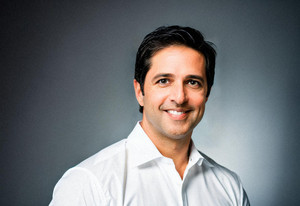
Steven has lived several professional lives, engineer, visual effects pioneer, studio executive, startup founder, and what struck me wasn’t just the range of his experience. It was the way he’s now using those chapters to ask better questions about work itself.
What if the issue isn’t our motivation, our discipline, or our resilience, but really the way work is designed?
When Busyness Becomes the Metric
We’ve inherited a version of productivity that quietly rewards constant motion. Full calendars. Fast responses. The ability to jump from meeting to meeting without pause. Somewhere along the way, “busy” became synonymous with “valuable.”
Steven named something that many leaders intuitively feel but rarely articulate: the work that truly moves organizations forward doesn’t happen in the gaps between meetings. It doesn’t happen while toggling between Slack messages or replying to emails at lightning speed.
It happens when there’s enough uninterrupted space for thinking. For synthesis. For creativity. For problem-solving that goes deeper than surface-level fixes. Yet most modern work environments are designed in a way that makes those conditions nearly impossible. This isn’t because leaders don’t care. It’s because many of the systems we’ve inherited were never designed with human attention in mind.

Flow Isn’t About Comfort, It’s About Performance
One of the reasons Steven’s perspective feels so grounded is his willingness to talk about failure, not as a badge of honor, but as something that carries real emotional weight. He spoke openly about startups that didn’t work, moments of deep doubt, and the quiet shame that often follows professional setbacks, especially for people who are used to succeeding.
And this is where leadership comes back into focus. When organizations leave no room for reflection, recovery, or recalibration, failure becomes something people hide. Learning slows. Risk narrows. Creativity suffers. But when leaders model honesty about what isn’t working, without blame, teams become more resilient.
Flow requires psychological safety, which relies on leaders who can tolerate discomfort.
What I appreciated most about Steven’s perspective is that it resists false trade-offs.This isn’t about choosing between performance and well-being. It’s about recognizing that burnout is not the price of excellence. In fact, sustained high performance depends on the opposite: focus, trust, autonomy, and respect for how human beings actually function.
Steven’s work, both in how he leads and through what he’s building now, centers on helping people reclaim control of their time so they can do the work that truly matters. That idea feels especially urgent in a moment when so many people are questioning not just how they work, but why.

What This Invites Leaders to Consider
Redesigning work doesn’t require blowing everything up. It starts with noticing. With questioning defaults. With being willing to examine the systems we’ve normalized. If you’re leading a team or simply trying to protect your own capacity, this conversation invites reflection more than prescription.
Here are a few questions worth sitting with:
- Where does deep work actually happen in our days , and where is it getting crowded out?
- What signals are we sending about responsiveness versus impact?
- How often do we reward motion instead of meaning?
- What would change if we treated focus as a shared resource worth protecting
And if you’re looking for a place to start, here’s one small set of actions that many leaders I work with have found grounding:
Five ways to begin designing for flow:
- Intentionally protect uninterrupted time for thinking , not just execution.
- Question default meeting structures instead of accepting them as inevitable.
- Learn when your people do their best work and design expectations accordingly.
- Model boundaries around availability so others feel permission to do the same.
- Normalize conversations about learning and failure without attaching shame.
None of these are radical on their own. But together, they quietly change the culture of how work feels.
A Different Measure of Success
Near the end of our conversation, Steven said something that felt less like advice and more like an invitation: “I deeply believe we all have something great inside us. The question of this lifetime is: will you get it out or not?” That question applies to individuals, and to organizations.
Will we keep designing work that fragments attention and drains energy or will we choose to build systems that allow people to bring their full intelligence, creativity, and humanity to what they do?
This episode isn’t about productivity hacks or quick wins. It’s about possibility. And maybe, just maybe, it’s an invitation to stop asking people to work harder, and start designing work that actually works.