
When something feels “off” in an organization, our instinct is often to look at people. Maybe they’re not working hard enough. Maybe they’re not communicating well. Maybe they’re not “bought in.” But as my guest on What’s Possible, Susannah Robinson, reminds us, more often than not the real issue is design.
Organizational design goes beyond the lines on an org chart. It touches how jobs are structured, how workflows connect, how incentives align, and how people feel inside their teams. And when the design isn’t working, the whole system wobbles, leading to burnout, disengagement, or confusion.
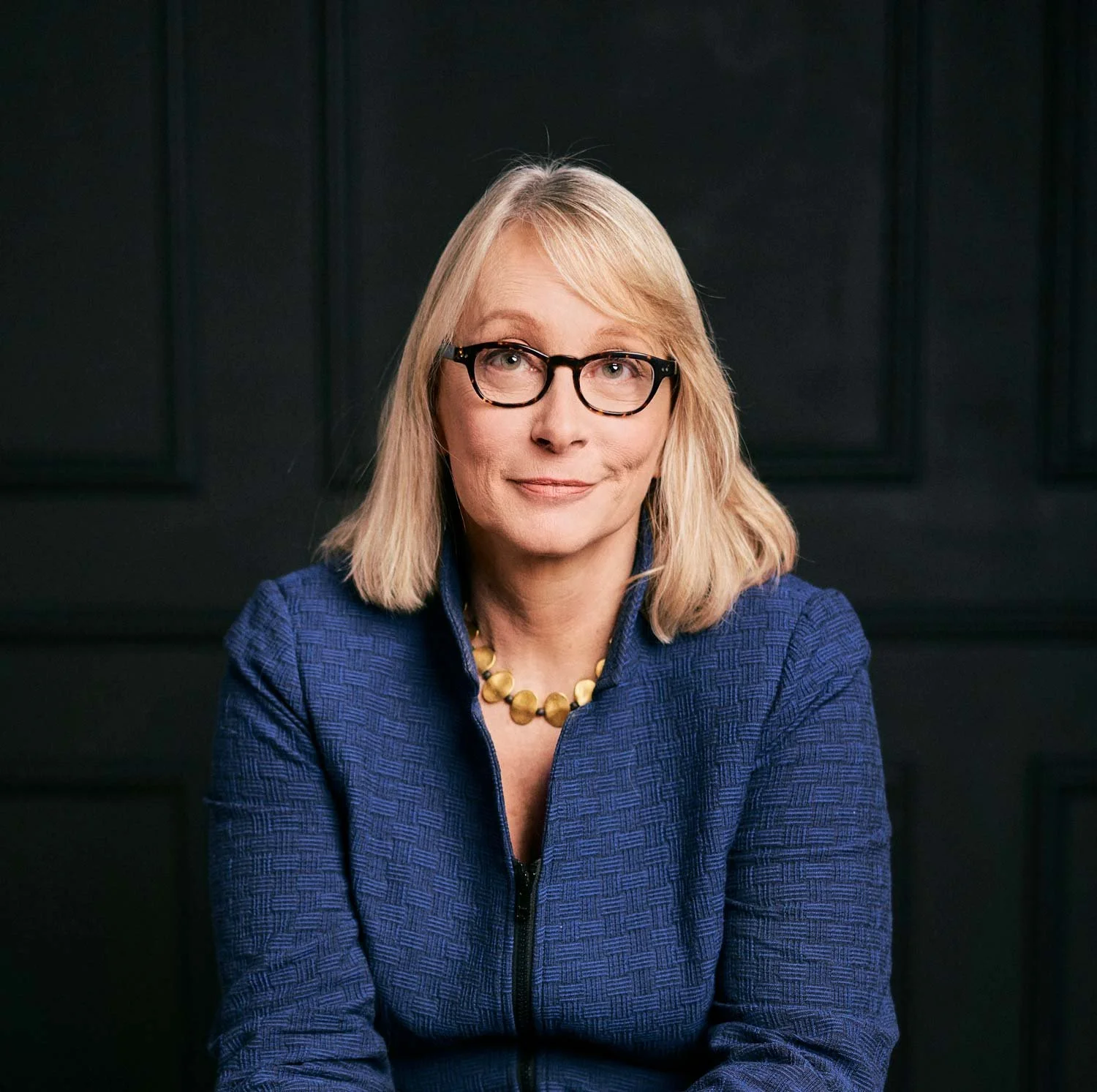
Susannah is the President and Founder of Partnership for Talent, where she helps organizations of all sizes rethink how they’re designed for effectiveness. She’s also the author of the new book, Beyond the Boxes and Lines: Are You Ready for the Next Step? Transforming Business Results Through Organizational Design. With more than 25 years of experience spanning corporations, nonprofits, and entrepreneurial ventures, Susannah brings a perspective that’s both deeply practical and refreshingly visionary.
In our conversation, we explored why organizational design matters, how leaders can recognize when their design is working against them, and what it looks like to build organizations where people feel aligned, valued, and connected.
This blog is a reflection of our conversation, plus some of my own takeaways for leaders who are ready to look “beyond the boxes and lines.”
What Do We Mean by “Organizational Design”?
When you hear “organizational design,” what comes to mind?
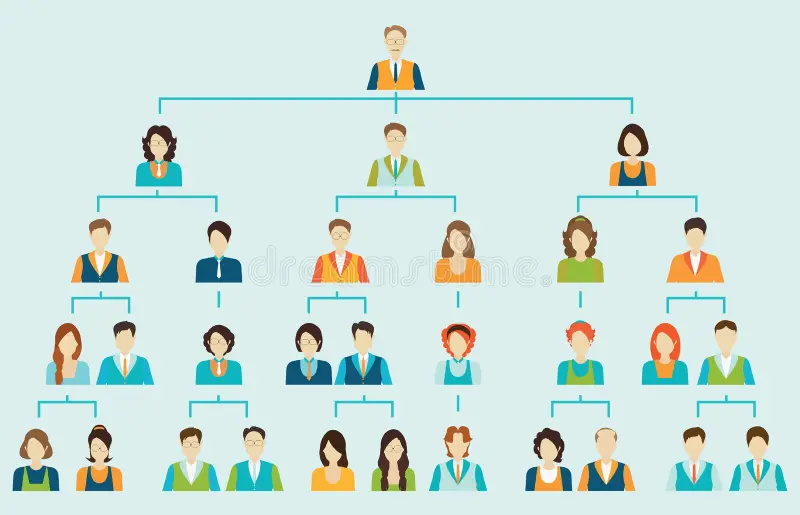
For many leaders, it’s the org chart: boxes connected by reporting lines. Susannah challenges us to think differently.
“Organizational design is much, much more than that,” she said. “It’s really what makes organizations function well, or not function well.”
Design is the blueprint that determines how decisions get made, how work gets done, and how people experience their jobs day to day. It includes:
- Job design: Do people have clarity about their roles and responsibilities? Do they know where their work begins and ends?
- Structure: How are teams organized? Where are the natural handoffs? Where are the bottlenecks?
- Practices: What norms, incentives, and routines guide how people actually behave at work?
When all of these elements are aligned, organizations thrive. When they’re not, even the most talented people struggle.
Why Alignment Is Everything
One of my favorite parts of our conversation was when Susannah brought up Disney as an example of alignment. At Disney, every role from custodians to performers is designed around a core mission: creating magical experiences for guests.
That alignment makes all the difference. A custodian doesn’t just see their job as keeping a park clean; they see themselves as part of creating a seamless, joyful experience for every visitor.
Susannah reminded me – and now, I hope, you – that alignment isn’t a “nice to have.” It’s the secret ingredient that drives engagement and results. Without it, organizations end up with silos, duplication of effort, and people who feel disconnected from purpose.
Another powerful point Susannah made: organizational design is not just HR’s job.
“This is not stuff that is reserved for the HR team,” she said. “It is part of running your business or part of running your function.”
Too often, leaders outsource design questions to HR as if they’re purely technical. But design is about how a business functions at its core, it’s a leadership responsibility.
Yes, HR partners can provide tools and insights. But leaders themselves must be intentional, curious, and proactive about how their organizations are designed. Otherwise, the problems accumulate silently until they become crises.

How to Spot Organizational Design Issues
So how do you know when your design isn’t working?
Susannah gave us some clear signals:
- Confusion about roles – People aren’t sure who owns what. Tasks fall through the cracks or get duplicated.
- Burnout – Workloads are misaligned. Some people are overburdened while others are underutilized.
- Disengagement – Employees feel their work doesn’t connect to the bigger picture.
- Constant firefighting – Leaders spend more time reacting to problems than proactively shaping the future.
If these symptoms sound familiar, the issue may not be your people. It may be the design.
Practical Steps for Leaders
Here are some of the actionable takeaways Susannah and I discussed. If you’re ready to rethink your organization’s design, start here:
1. Map Out Roles and Responsibilities
Grab a whiteboard, a sticky-note wall, or a shared digital workspace. Write down every role on your team and list out their core responsibilities. Where are the overlaps? Where are the gaps? Clarity is the first step to alignment.
2. Review and Adjust Workflows Regularly
Organizations evolve, but too often job descriptions and structures remain frozen in time. Make it a practice to revisit workflows every quarter. Ask: does this still reflect reality? Is there a better way?
3. Engage Your Team in the Conversation
Design isn’t something leaders do to employees. It’s something leaders do with employees. Invite input. Ask what’s working, what’s not, and what could make their jobs more effective.
4. Partner with HR, Don’t Outsource to HR
Leverage the expertise of your HR partners. But remember, you own the design of your team. HR is there to support you, not to do it for you.
5. Think of Your Organization as a Living System
As Susannah put it, “Be intentional and do it all the time. Think about your organization as a living, breathing thing that you need to help guide.” Design is not a one-time project, it’s an ongoing responsibility.
Resources for Leaders
If this conversation sparked something for you, here are some resources to go deeper:
- Susannah’s Book: Beyond the Boxes and Lines: Are You Ready for the Next Step? Transforming Business Results Through Organizational Design (September 2024)
- Worksheet: Create a “role and workflow audit” for your team. Write down who does what, how work flows across functions, and where the pain points are.
- Reflection Questions:
- Where do I see confusion or duplication in my team’s work?
- How well does each role align with our bigger purpose?
- What’s one area of design I could improve this month?
- Where do I see confusion or duplication in my team’s work?
Why This Matters Now
In today’s world of hybrid work, constant change, and increased demands on leaders, organizational design matters more than ever. Leaders can’t afford to leave it to chance, or to leave it to HR alone.
The truth is, design touches everything: engagement, retention, innovation, customer experience, and ultimately the bottom line.
When leaders take ownership of design, they unlock new possibilities for both performance and well-being.
As I listened to Susannah talk, I was struck by how much of leadership really does come back to design. We spend so much time reacting to symptoms (like turnover, burnout, low engagement) without asking whether the underlying structure is setting people up to succeed.
Susannah’s message is a call to pause, step back, and look at the bigger picture. To recognize that “boxes and lines” are just the beginning. And to embrace design as a core leadership responsibility.
If you’re reading this, I encourage you: take one small step this week. Map your team’s roles. Ask your employees what’s working. Identify a bottleneck and brainstorm a fix.
It doesn’t take sweeping changes to improve alignment. Sometimes, one small shift in design can ripple out into remarkable improvements in engagement and outcomes.
What’s Possible Beyond the Boxes and Lines
So, what’s possible when leaders embrace organizational design?
- Teams that are clear, connected, and aligned.
- Employees who feel valued and engaged.
- Organizations that function smoothly instead of constantly firefighting.
- Leaders who guide living, breathing systems with intentionality.
That’s the invitation Susannah Robinson leaves us with.
And it’s the invitation I want to leave with you: to see organizational design not as a static chart, but as a dynamic practice of leadership.
Let’s build organizations that truly go beyond the boxes and lines.
To hear more from Susannah, including real-world stories and practical insights, listen to the full episode of What’s Possible wherever you get your podcasts.