
What if becoming a stronger leader isn’t about adding more skills or doing more, it’s about learning how to be more whole?
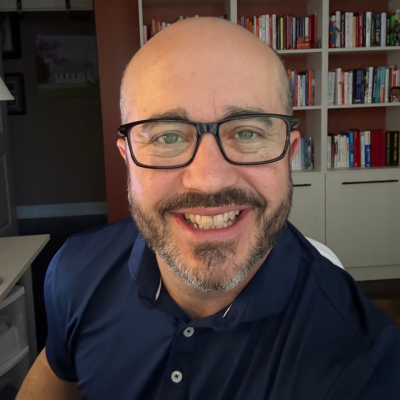
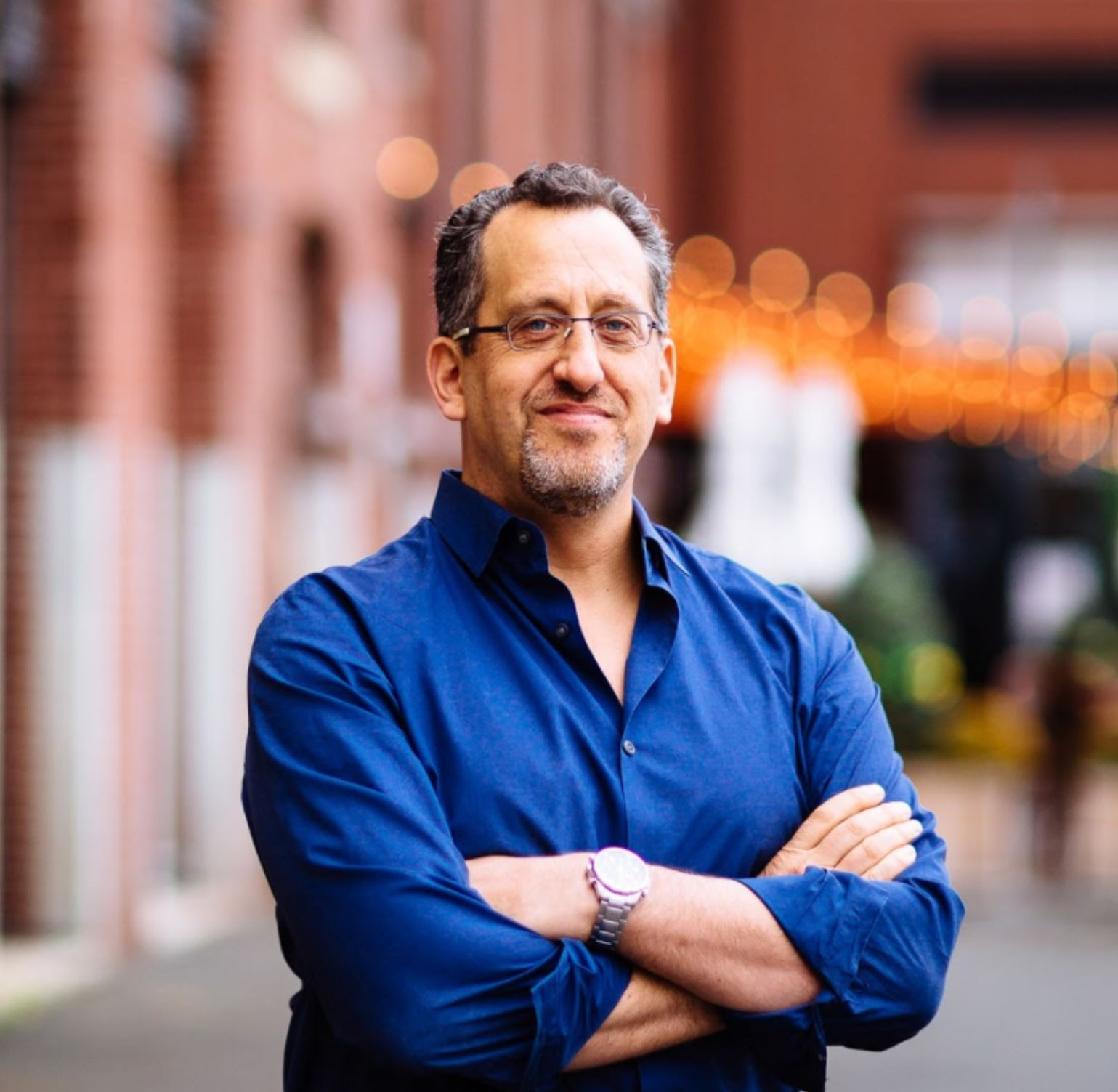
That’s the question at the heart of my conversation with Dr. Max Klau, developmental psychologist, coach, and author of the new book Developing Servant Leaders at Scale: How to Do It, and Why It Matters.
Max has spent decades designing transformational leadership programs at City Year and the New Politics Academy. He’s now the founder of the Center for Courageous Wholeness, where he helps individuals and organizations embrace servant leadership by weaving together personal growth and service to others.
In our conversation, we explored not just the ideas in his book, but the personal journey that shaped them. Max described a time in his life when he was what he calls a “lost idealist.” Through service programs around the world and years of reflection, he began to see leadership not as a quest for control or heroics, but as a dual journey of inner and outer change.
Servant Leadership: An Old Idea for a New Era
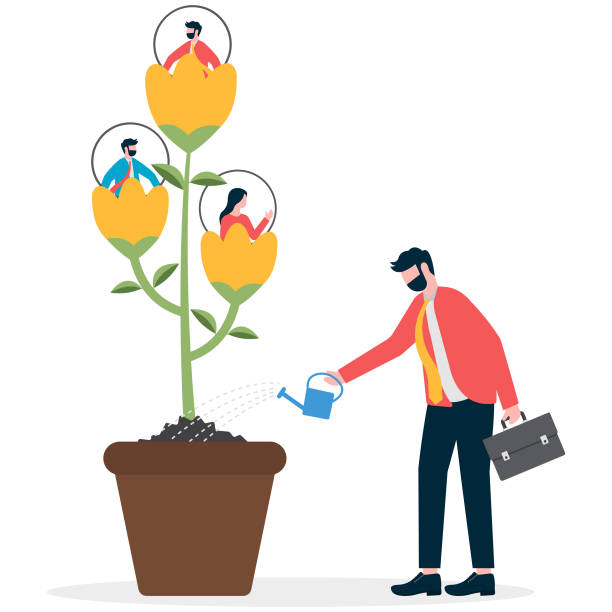
Servant leadership isn’t new. As Max reminded me, it’s rooted in ancient wisdom and brought into modern focus by Robert Greenleaf, who asked a profound question: Do those being served grow as a result of your leadership?
Max has built on this tradition with what he calls the flame model of leadership: three nested levels of doing, knowing, and being. Most organizations invest heavily in the outer flames: skills, knowledge, and performance. But the innermost flame, the “being” level, often gets overlooked. And yet, that’s where the deepest transformation takes place.
Confronting the Shadow
Max also spoke about the importance of acknowledging our “shadow mission,” the ways we lead when fear, ego, or self-preservation take over. Drawing on Carl Jung’s idea of making the darkness conscious, Max encourages leaders to write not only their leadership mission statement but also their shadow mission. When we see both clearly, we can make choices that align with purpose rather than habit or fear.
It’s courageous work. And it’s the foundation of leading with wholeness.
What This Means for Organizations
This conversation wasn’t just about individuals, it was also about how organizations can create cultures that honor both inner and outer development. Max shared stories from his work at City Year and the New Politics Academy, where practices like team rituals and reflection circles became part of the culture. These weren’t “extras” tacked onto performance management. They were woven into the fabric of how people worked together.
He was clear, though: you can’t compel people to do this work. You can only invite them. Leaders who extend sincere invitations, while creating safe spaces for reflection, open the door for deeper community, stronger trust, and less wasted energy hiding behind fear.
Five Actionable Steps for Leaders
- Invite, Don’t Compel: Create sincere invitations for your team to engage in reflection and growth. Servant leadership thrives when people choose to participate, not when they feel forced.
- Name the Shadow: Encourage yourself and your team to acknowledge the “shadow mission”—the ways fear, ego, or self-protection show up. Naming it out loud makes it easier to lead from a place of purpose.
- Integrate Reflection into the Work: Build small rituals of reflection into the rhythm of your team—monthly check-ins, end-of-project debriefs, or simple questions like “What did we learn?” Make development part of daily culture, not an extra task.
- Value Being Alongside Doing: Balance performance metrics with conversations about how people are being—how they’re showing up, collaborating, and staying aligned with values. It’s the deepest layer of leadership development.

Model Wholeness as a Leader:
Show your team what it looks like to lead with humility and courage. When you demonstrate that you’re willing to grow, reflect, and face your own shadow, you give permission for others to do the same.
My Reflection
Talking with Max reminded me that leadership is not just about strategy or execution. It’s about how we show up. It’s about being willing to confront our own shadows, to serve others with humility, and to build organizations where growth and impact walk hand in hand.
At a time when so many workplaces are defined by uncertainty and rapid change, servant leadership offers a path forward that is both timeless and urgently relevant.
I invite you to listen to this conversation with Dr. Max Klau. It’s a chance to rethink what leadership means, and to imagine what’s possible when we choose wholeness alongside impact.